

Blog


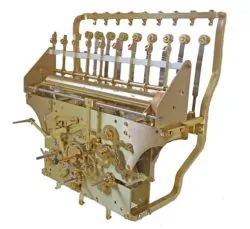
AEL Kieninger clock movement
Where Are Kieninger Clock Movements Made?
Kieninger clock movements are known for their precision, craftsmanship, and reliability. As one of the oldest and most respected names in the clock industry, Kieninger has a long history of producing high-quality mechanical clock movements. If you’re a clock enthusiast or a repair professional, understanding the origin of these movements helps you appreciate their value even more. So, where exactly do manufacturers create Kieninger clock movements?
The Legacy of Kieninger Clock Movements
Manufacturers produce Kieninger clock movements in Germany, a country renowned for its clockmaking heritage. Joseph Kieninger founded the company in 1912. Since then, it has operated in the town of Aldingen, located in the Black Forest region of Germany. This area is often referred to as the heartland of clockmaking, thanks to centuries of horological craftsmanship.
Since its inception, Kieninger has represented quality and innovation. Skilled artisans meticulously design and build each movement to exacting standards. Whether you need a traditional mechanical movement for a grandfather clock or a sophisticated wall/mantel clock movement, Kieninger offers precision-engineered solutions that stand the test of time.
What Makes Kieninger Movements Unique?
Kieninger movements stand out for several reasons. Here are some of the key features that make them highly sought after:
- Precision Craftsmanship: Skilled artisans assemble and test each movement to ensure accuracy and durability.
- Wide Variety: Kieninger offers movements for grandfather clocks, wall clocks, mantel clocks, and more.
- Durability: These movements use high-quality materials designed to last for generations.
- Innovation: Kieninger pioneered features such as automatic beat adjustment and silent chime options.
Whether you are restoring a cherished heirloom or building a new clock, Kieninger movements provide top-quality and reliable solutions.

Kieninger Clock Logo From Clockworks.com
The Manufacturing Process in Germany
Producing Kieninger clock movements involves a detailed process that requires skill and precision. Here’s a glimpse into how the German facility creates these movements:
- Design and Engineering: Engineers meticulously design each movement’s components and functionality.
- Precision Machining: Advanced machinery cuts and shapes the gears, plates, and other parts with utmost precision.
- Hand Assembly: Skilled clockmakers assemble the components by hand, ensuring each movement meets the highest standards.
- Quality Testing: Before a movement leaves the factory, technicians rigorously test it for accuracy and performance.
Why Choose a Kieninger Movement?
If you’re considering a clock movement, Kieninger should be on your shortlist for several reasons:
- Heritage of Quality: Over a century of German engineering excellence.
- Dependability: These movements last long and rarely need repairs.
- Compatibility: Kieninger movements fit a wide range of clock cases and styles.
Choosing a Kieninger movement ensures your clock functions perfectly and retains its value for years.
Tools and Services for Your Kieninger Clock
At Clockworks, Inc., we offer everything you need to maintain, repair, and restore Kieninger clock movements. Here are some essential tools and services available on our website:
- Clock Cleaning Solution: Proper cleaning helps maintain performance. Our cleaning solutions remove grime and old oil without damaging delicate parts.
- Clock Oilers: After cleaning, re-lubricate the movement. Our high-quality oilers help you apply the perfect amount of oil.
- Clock Repair Services: If your movement needs professional attention, we provide expert repair and restoration services. We clean, oil, and repair both new and antique Kieninger movements.
- Specialized Tools: From gear pullers to pivot polishers, we supply tools for handling intricate repairs.
Maintaining Your Kieninger Clock Movement
Proper maintenance keeps your Kieninger movement functioning for years. Here are some tips for maintaining your clock:
- Regular Cleaning: Clean the movement every 3-5 years to prevent dust and old oil from affecting its function.
- Proper Lubrication: Use high-quality clock oil to lubricate the pivots and gears after cleaning.
- Avoid Overwinding: Wind your clock gently to avoid damaging the springs.
- Check for Wear: Inspect gears and pivots periodically for signs of wear.

Kieninger Clock Pendulum Leader
When to Seek Professional Help
While you can handle basic maintenance at home, some repairs require professional expertise. Seek help if you encounter these issues:
- The clock runs too fast or too slow.
- The chimes are out of sync.
- The movement stops frequently or won’t run.
- You hear unusual noises from the movement.
At Clockworks, our experienced clockmakers are ready to restore your Kieninger movement to its original condition.
Trust Clockworks for All Your Clock Needs
Whether you’re purchasing a new Kieninger movement, finding tools for repairs, or seeking restoration services, Clockworks, Inc. has you covered. We offer a wide selection of clock movements, parts, and tools to meet all your horological needs.
Explore our offerings at clockworks.com, or email us at [email protected] for personalized assistance.
By choosing Clockworks, you choose quality, expertise, and a commitment to keeping the art of clockmaking alive.
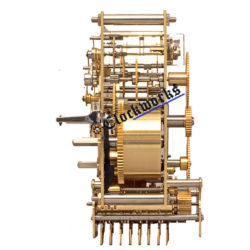
Kieninger SEW clock movement