


Blog


What’s the Most Common Cause of a Pendulum Clock Stopping?
Few things are more frustrating than a pendulum clock that starts up fine, only to stop a few minutes or hours later—seemingly for no reason. While these clocks can run for generations when properly maintained, even a small issue in setup or alignment can cause inconsistent performance.
In this article, we’ll walk you through the most common causes of a pendulum clock stopping at random intervals and how to fix each one. From beat errors to friction and mechanical misalignment, we’ll help you get your clock ticking reliably again.
What’s the Most Common Cause of a Pendulum Clock Stopping?
The number one reason most pendulum clocks stop is that they are out of beat. A clock is “in beat” when the tick and the tock occur in evenly spaced time intervals. When the beat is off, the pendulum swings unevenly—and eventually the energy fails to transfer through the escapement, causing the clock to stop.
Signs Your Clock Is Out of Beat:
-
The tick and tock sound uneven
-
The pendulum slows or stops after just a few swings
-
Clock stops consistently after the same time period
How Do I Adjust the Beat?
You can correct an out-of-beat clock in two main ways:
For Wall or Mantel Clocks:
-
Gently tilt the entire clock case slightly to the left or right.
-
Listen for even tick-tock rhythm.
-
Adjust slowly until the sound is symmetrical.
For Clocks with an Adjustable Crutch:
-
Locate the crutch (the wire or rod attached to the escapement that swings with the pendulum).
-
Slightly bend or shift the crutch in the direction of the shorter tick.
-
Test until the beat becomes even.
Never force the crutch too far at once. Small adjustments go a long way.
Can Friction or Dirt Stop My Clock?
Yes, friction is a major enemy of pendulum clocks. Dust, dried oil, or worn pivots in the gear train create resistance that robs the pendulum of energy.
Symptoms of Friction Issues:
-
Pendulum starts swinging then quickly slows
-
Clock stops even though it’s level and in beat
-
You hear ticking, but the hands don’t move
What to Do:
-
Examine the movement for dirt or hardened oil.
-
Clean pivot holes with pegwood or a lint-free cloth.
-
Apply clock oil sparingly to pivot points—never over-oil.
-
Check for worn bushings or bent gear teeth.
If the movement hasn’t been serviced in years, it likely needs a deep cleaning or professional overhaul.
What About Pendulum Problems?
Sometimes the issue lies with the pendulum itself:
-
Incorrect pendulum length can affect timekeeping but usually won’t stop the clock altogether.
-
Unstable suspension spring or damaged pendulum leader can cause erratic stops.
Ensure that:
-
The pendulum hangs freely and doesn’t brush against anything
-
The suspension spring isn’t twisted or bent
-
The pendulum leader is properly inserted into the crutch slot
If your clock uses a hook-on pendulum, make sure it’s not hung crookedly on the suspension post.
Is the Clock Level?
A pendulum clock needs to be perfectly level front-to-back and side-to-side. Even a small tilt can prevent the escapement from locking and unlocking correctly, leading to inconsistent ticking and random stopping.
To Level Your Clock:
-
Use a bubble level across the top of the clock case
-
Place small shims under the feet or adjust wall brackets
-
Re-check beat after leveling—adjust again if needed
Leveling must come before any beat adjustment. Otherwise, your corrections will only apply to a tilted surface.
Could There Be a Power Loss in the Time Train?
If your mechanical clock uses a spring-driven movement, it might stop due to incomplete winding or a broken mainspring. Weight-driven clocks can stop if:
Ensure the weights are fully wound and that nothing obstructs their downward path.
Should I Reset the Hands?
Hand drag or interference can also stop a pendulum clock. If a hand rubs against the dial or another hand, it can cause just enough resistance to stop the movement.
To Fix:
-
Remove the minute and hour hands
-
Inspect for bends or scraping
-
Reinstall carefully, making sure they don’t touch each other or the dial
When Should I Consider a Replacement Movement?
If you’ve checked beat, friction, pendulum function, and power—and your clock still stops at random—it may be time for a replacement movement. Internal wear such as bent escape wheels, broken pivots, or stripped gears often signal the end of a movement’s lifespan.
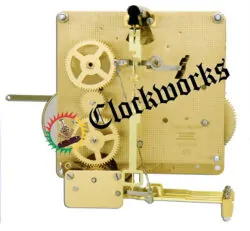
At Clockworks, we offer replacement mechanical movements for most popular antique and modern clock types, including Hermle and Kieninger models. Many units come with installation instructions and technical support to help you install them yourself or with professional help.
Final Thoughts
A pendulum clock that stops at random is telling you something isn’t quite right. Whether it’s out of beat, struggling with friction, or suffering from misalignment, you can often solve the issue with basic adjustments and a sharp ear. If deeper wear is at play, a new movement may be the best path forward to keeping your timepiece running for years to come.
Need help diagnosing your clock or selecting the right movement? Contact us at [email protected] or visit https://www.clockworks.com for expert support and top-quality clock parts.









My 3 weight wall clock is not making a ticking sound and doesn’t run at all
First step is to be sure the clock is in beat, see how here
https://www.clockworks.com/posts/mechanical-clock-movement-beat-setting
James Stoudenmire
40yr Clockmaker
Author of Clockworks.com
My clock grandmother clock has stopped working the pendulum only goes for a short period of time
What are the numbers off of the back plate of the clock movement itself? If it is hard to get to, usually you can stick a cell phone up behind the movement and get a picture of the numbers. Or through the side access panel if there is one.
Not off the paper work, not off the wooden case, but the movement stamp itself
James Stoudenmire
40yr Clockmaker
Author of Clockworks.com
Hi grandfather clock has completely stopped working
Please help
What are the numbers off of the back plate of the clock movement itself? If it is hard to get to, usually you can stick a cell phone up behind the movement and get a picture of the numbers. Or through the side access panel if there is one.
Not off the paper work, not off the wooden case, but the movement stamp itself
James Stoudenmire
40yr Clockmaker
Author of Clockworks.com
where should i oil an old grandfather clock assuming you would use something like sewing machine oil?
Is too thick, needs clock oil this link
https://www.clockworks.com/product/needle-pen-clock-oiler
James Stoudenmire
40yr Clockmaker
Author of Clockworks.com
How to adjust the setting in the pendulum that keeps stopping
What are the numbers off of the back plate of the clock movement itself? If it is hard to get to, usually you can stick a cell phone up behind the movement and get a picture of the numbers. Or through the side access panel if there is one.
Not off the paper work, not off the wooden case, but the movement stamp itself
James Stoudenmire
40yr Clockmaker
Author of Clockworks.com