


Blog


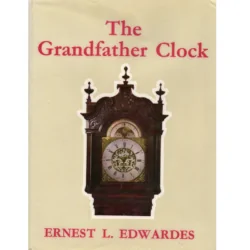
What Is the Best Way to Maintain an Old Grandfather Clock?
An old grandfather clock is a tall, freestanding timepiece that often spans six to eight feet in height. Traditionally called a “long case clock,” it houses a pendulum and weights that drive the movement. These clocks, often over a century old, are prized not only for their mechanical craftsmanship but also for their role as family heirlooms.
When you refer to an “old” grandfather clock, you might mean one that has been in your family for generations or one purchased as an antique. Either way, it requires careful attention to keep it running properly.
2. Why Do People Treasure Grandfather Clocks?
Grandfather clocks hold a special place in homes because they:
-
Represent a family’s history and milestones.
-
Showcase the artistry of wood cabinetry and hand-crafted movements.
-
Provide a steady pendulum rhythm that feels timeless.
-
Offer unique chimes that mark the passing hours.
Beyond functionality, these clocks serve as symbols of tradition and permanence.
3. What Problems Commonly Affect Old Grandfather Clocks?
Like any antique mechanism, a grandfather clock can suffer from wear and tear. Common issues include:
-
Worn bushings that let gears wobble out of alignment.
-
Dirty pivots that slow the escapement.
-
Pendulum problems that throw the beat off.
-
Chime hammers that wear down or strike unevenly.
Recognizing these problems early helps prevent more costly damage.
4. How Can You Maintain a Grandfather Clock at Home?
Owners can take steps to extend the life of their clock:
-
Keep the clock level so the pendulum swings evenly.
-
Wind weights consistently and carefully.
-
Dust the case without spraying near the movement.
-
Avoid extreme temperature or humidity shifts.
Simple routines help keep the clock reliable while protecting its value.
5. Where Can You Get Tools, Parts, or Professional Service?
If your old grandfather clock stops running or needs more than basic upkeep, that’s the moment to consider expert support. At Clockworks, Inc., we provide hardware, specialized tools, and full professional cleaning and repair services. Whether you need a suspension spring, new cables, or a complete overhaul, our team can restore your grandfather clock to smooth operation.
Adding professional service alongside at-home care ensures your clock continues ticking for generations.
6. Should You Repair or Replace the Movement?
When a movement becomes too worn, owners face a choice. Repairing preserves the authenticity of the clock, especially for antiques. Replacing the movement with a modern Hermle or equivalent may be more cost-effective in some cases.
The right choice depends on your goals: keep it historically accurate, or keep it running reliably with modern parts.
7. How Often Should a Grandfather Clock Be Serviced?
Experts recommend a cleaning and oiling every 5 years. This prevents old oil from hardening and wearing pivots. If the clock runs erratically, loses time, or stops altogether, it may need service sooner. Preventive care is always less costly than major repairs.
8. What Role Does an Old Grandfather Clock Play Today?
Even in a digital age, grandfather clocks continue to inspire. Their presence in a room adds character, elegance, and a link to the past. Families still gather around their chimes, and collectors still search for rare models.
Owning one isn’t just about keeping time—it’s about keeping history alive.
9. Where Can You Learn More or Get Help?
If you want to restore or maintain your old grandfather clock, Clockworks, Inc. can help. We’ve supplied clock parts, tools, and professional services to families and collectors worldwide.
For expert assistance, visit clockworks.com or email us at clockworks@clockworks.com.



Why doesn’t our grandfather clock not chime in it is a Pulaski Ridgeway.
What are the movement numbers off the back plate?
James Stoudenmire
40yr Clockmaker
Author of Clockworks.com