

Blog


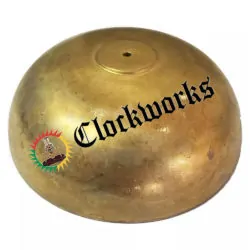
Brass Bell For Strike
Why Do Clocks Use Round Bells?
1. What Is a Round Bell in a Clock?
A round bell is the traditional metal dome used in many antique and vintage clocks to create a clear, resonant chime. Unlike gongs or chime rods, which produce deeper or more complex tones, a round bell delivers a sharp, bright strike that has been favored for centuries. These bells are often made of brass or steel and mounted on a stand inside the clock case.
Many mantel/wall clocks, and regulators from the 18th through the 20th century used round bells as their striking mechanism. Collectors and restorers value them both for their function and for the authenticity they provide to a clock restoration.
2. Why Did Clockmakers Use Round Bells?
Clockmakers selected round bells for several reasons:
-
Sound quality: Bells create a crisp tone that carries well in a room.
-
Durability: Metal bells hold their shape and sound for decades.
-
Tradition: Bells connect to centuries of timekeeping and religious bell-ringing practices.
-
Space efficiency: Unlike long chime rods or large gongs, round bells fit easily into smaller clock cases.
Their simple design made them reliable, cost-effective, and elegant.
3. How Do Round Bells Differ From Gongs or Rods?
While all striking mechanisms serve to mark the hour or half-hour, they differ in tone and style:
-
Round bell: Bright, metallic, and concise tone.
-
Gong: Deep, resonant, and lingering sound.
-
Chime rods: Layered, musical tones often used for Westminster or Whittington chimes.
If you want a clock that offers a clean “ding” rather than a rolling or layered chime, a round bell is the right fit.
4. What Problems Commonly Affect Round Bells?
Over time, even durable bells encounter issues:
-
Cracks or chips: These affect tone quality.
-
Loose mounting screws: A bell that shifts inside the case sounds dull or rattly.
-
Worn hammer tips: A flat or hardened hammer end creates a harsh, unpleasant strike.
-
Rust or tarnish: Surface corrosion can dull the resonance.
Fortunately, many of these problems can be fixed with cleaning, adjustment, or replacement parts.
5. Where Can You Find Services, Tools, and Replacement Parts?
If your round bell has lost its sound or your clock’s hammer isn’t striking correctly, you don’t need to give up on it. At Clockworks, Inc., we provide replacement bells, hammer assemblies, and the specialized tools needed to work on antique striking mechanisms.
For clocks that need more than simple adjustments, we also offer full cleaning, oiling, and repair services. Whether your bell requires polishing, your hammer needs reshaping, or your entire movement needs servicing, our team has the experience to restore your clock to working order.
This is the perfect point to decide: will you try a minor repair at home, or send your movement to experts who can guarantee results?
6. Can You Replace a Round Bell Yourself?
Yes—if you have the correct tools and a matching bell. Most round bells attach with a single screw and a stand. To replace one, you:
-
Remove the old bell carefully.
-
Check the hammer position to ensure proper striking.
-
Install the new bell and secure it tightly.
-
Test the sound and adjust the hammer angle for the best tone.
However, antique clocks often vary in design. If your replacement bell doesn’t match the size or tone of the original, you may need professional guidance to find the right part.
7. How Do You Maintain a Round Bell for Longevity?
A round bell requires little maintenance, but a few steps keep it sounding great:
-
Keep the bell free of dust and corrosion.
-
Avoid hitting it with hard tools; only use the hammer designed for it.
-
Check the mounting screw annually to ensure it hasn’t loosened.
-
Inspect the hammer tip and replace or reshape it if it flattens.
Proper care allows a round bell to ring clearly for generations.
8. Why Do Round Bells Matter for Clock Authenticity?
Collectors and horology enthusiasts know that the original bell contributes to the value and historical integrity of a clock. Replacing a bell with a rod or gong changes not only the tone but also the originality of the piece. If you’re restoring an antique clock, keeping a proper round bell is the best way to preserve authenticity.
Even if the bell must be replaced, sourcing a correct-style bell ensures that your restoration looks, sounds, and feels right.
9. Where Can You Learn More or Get Help?
If you need a new round bell, help with installation, or a full restoration, expert support is available. At Clockworks, Inc., we have supplied clock movements, parts, and tools to collectors and hobbyists worldwide for decades. Our services range from selling simple replacement bells to performing complete clock cleaning and repairs.
For assistance with your clock, visit clockworks.com or email us at [email protected].